
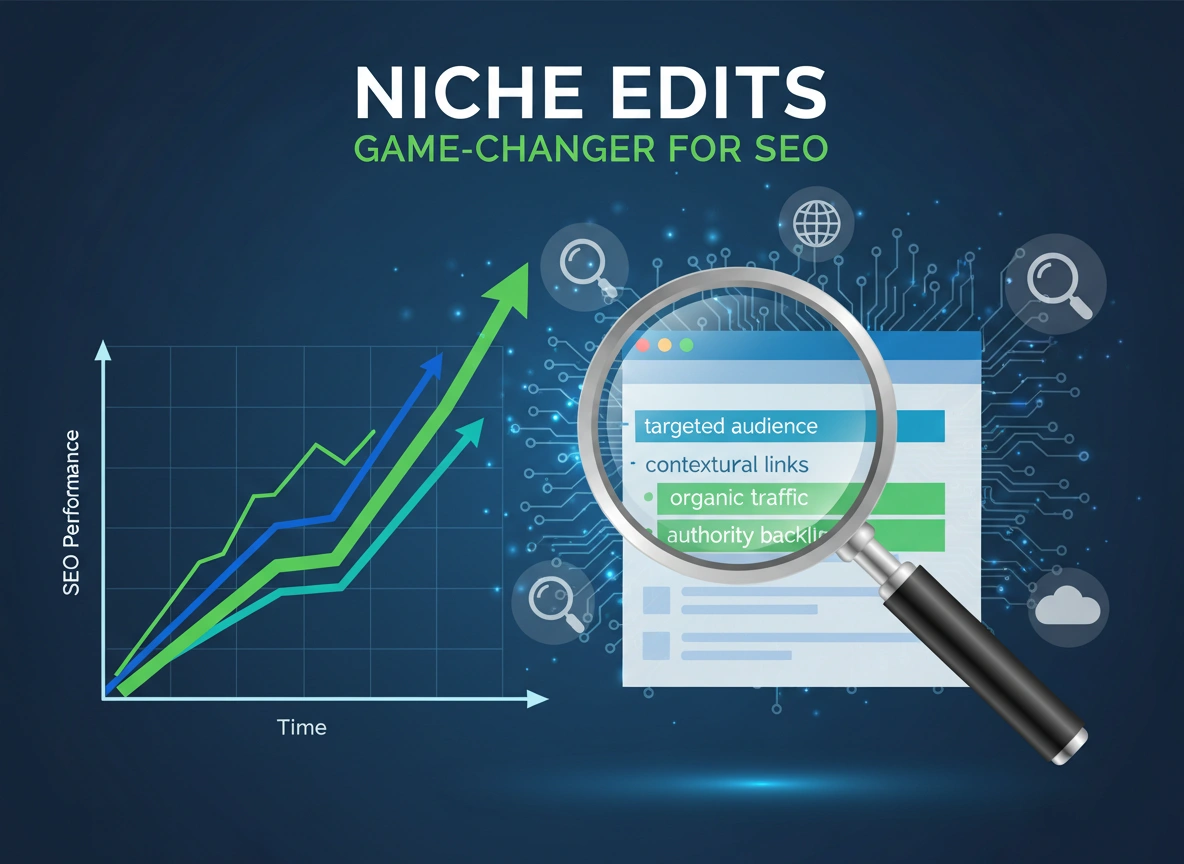

Building an effective SEO strategy requires a deep understanding of how search engines value authority. You spend hours creating excellent content and optimizing your pages, but without high-quality backlinks, your website might still struggle to climb the search results. Securing these valuable links often takes immense effort, time, and resources.
This is where niche edits come into play. Instead of starting from scratch with a brand-new article, you can place your link within an existing, established piece of content. This strategy allows you to tap into the authority that a webpage has already built over time.
In this article, we will explore exactly what niche edits are and how they work. You will learn the distinct advantages they offer over traditional link-building methods. Finally, we will outline actionable steps to safely integrate them into your ongoing search engine optimization efforts.
What Are Niche Edits?
A niche edit, sometimes called a contextual backlink or a curated link, involves adding a link to an existing article or blog post on another website. Website owners or editors modify their old content to include a reference to your site, provided your content adds value to their page.
To understand the power of this method, compare it to guest posting. When you write a guest post, you create an entirely new article for another website. That new page starts with zero authority and no traffic. It must slowly earn its place in the search engine index.
With a niche edit, the page already exists. It likely has an established history with search engines, existing backlinks, and steady organic traffic. By inserting your link into this mature environment, you pass that established value directly to your own website.
The Mechanics of a Powerful Curated Link
Not all links are created equal. Search engines like Google evaluate several factors when determining the value of a backlink. Understanding these mechanics helps you secure the best possible placements.
Contextual Relevance
Search engines want to see that your link makes sense within the content. If you run a fitness blog, getting a link from an established article about healthy eating or workout routines makes perfect sense. The surrounding text gives search engines vital context about your website.
Domain and Page Authority
The overall strength of the linking website matters. Sites with strong domain authority carry more weight in the eyes of search algorithms. More importantly, the specific page where your link lives should have its own history of incoming links.
Natural Placement
Editors should integrate the link seamlessly into the existing paragraph. It should flow naturally for the reader. Forced or awkward link placements can trigger spam filters and harm your optimization efforts.
Why You Should Invest in Curated Placements
Many businesses wonder if paying for link placements makes sense for their marketing budget. The reality is that organic outreach takes hundreds of hours with no guaranteed return. When you buy niche edits, you bypass the uncertainty and secure guaranteed placements on relevant websites.
Instant Authority and Trust
Established articles have already earned the trust of search engines. When you place a link in a post that has been live for three years, your website absorbs some of that historical trust. You skip the waiting period associated with new pages.
Faster Indexing and Results
Search engine bots crawl high-quality, existing pages more frequently than new ones. When a webmaster updates an old post with your link, bots notice the change quickly. This leads to faster indexing and quicker movements in your search rankings.
Cost-Effective Link Building
Creating a new guest post requires paying a writer, editing the content, pitching the website, and waiting for publication. Niche edits remove the content creation step entirely. This dramatically reduces your overhead costs and speeds up the entire acquisition process.
How Niche Edits Fit Into a Broader SEO Strategy
You should never rely on a single tactic to build your website’s authority. Search algorithms reward natural, diverse backlink profiles. Niche edits serve as a powerful component of a well-rounded strategy.
Diversifying Your Link Profile
A healthy backlink profile includes various types of links. You need homepage links, foundational directory links, guest posts, and contextual links. Adding niche edits into the mix shows search engines that people are discovering and referencing your content naturally across different platforms.
Managing Anchor Text Ratios
Anchor text refers to the clickable words that contain your link. Overusing exact-match keywords can trigger penalties. Curated links give you granular control over your anchor text. You can strategically use branded terms, naked URLs, or long-tail variations to keep your profile balanced and safe.
Boosting Stagnant Pages
Do you have a page stuck on the second page of search results? A strategic contextual link can provide the precise push needed to cross into page one. You can direct the established authority of a niche edit straight to your most important, high-converting pages.
Safety and Best Practices for Link Acquisition
While acquiring links through existing content offers massive benefits, you must approach the process carefully. Poor quality links can damage your reputation and hurt your rankings. Follow these best practices to protect your website.
Vet the Linking Website Thoroughly
Always analyze the website before securing a placement. Look at their organic traffic trends over the past year. A sudden, massive drop in traffic usually indicates a search engine penalty. You want links from sites with steady or growing visitor numbers.
Avoid Private Blog Networks (PBNs)
Some providers sell links on fake websites created solely for link building. These networks try to manipulate search rankings artificially. Google actively hunts down and de-indexes PBNs. Ensure your placements live on real websites with genuine audiences and authentic content.
Focus on Traffic Over Metrics
Third-party metrics like Domain Rating (DR) or Domain Authority (DA) can be manipulated. Real human traffic cannot. A link from a lower DA site that gets thousands of real visitors is often more valuable than a link from a high DA site with zero traffic.
Match Search Intent
The page linking to you should share a similar search intent to your target page. If you sell accounting software, a link from a page discussing small business tax preparation aligns perfectly. This tight relevancy signals strong authority to ranking algorithms.
Tracking Your Campaign’s Success
Once you secure your links, you must measure their impact. SEO does not happen overnight, but you should look for specific indicators of success over a multi-month period.
Track the keyword rankings for the specific pages you linked to. You should see a gradual upward trend in the weeks following the link placement. Additionally, monitor your organic traffic levels in Google Analytics. More visibility directly translates to more visitors.
Keep an eye on your referring domains in tools like Ahrefs or Semrush. Verify that the links remain active and that the host pages retain their authority over time.
Conclusion
Securing high-quality backlinks remains one of the most challenging aspects of digital marketing. By utilizing existing content through niche edits, you can bypass the slow, expensive process of traditional outreach. You gain immediate access to established authority, faster indexing, and highly relevant placements.
When executed correctly, this strategy provides a massive competitive advantage. It allows you to direct powerful link equity exactly where your website needs it most.
Take a hard look at your current link-building efforts. Identify your most important pages that need a slight ranking boost. Then, start sourcing relevant, high-traffic articles in your industry to secure your first curated placements. You will soon see why this method has become a staple for successful SEO campaigns.

