
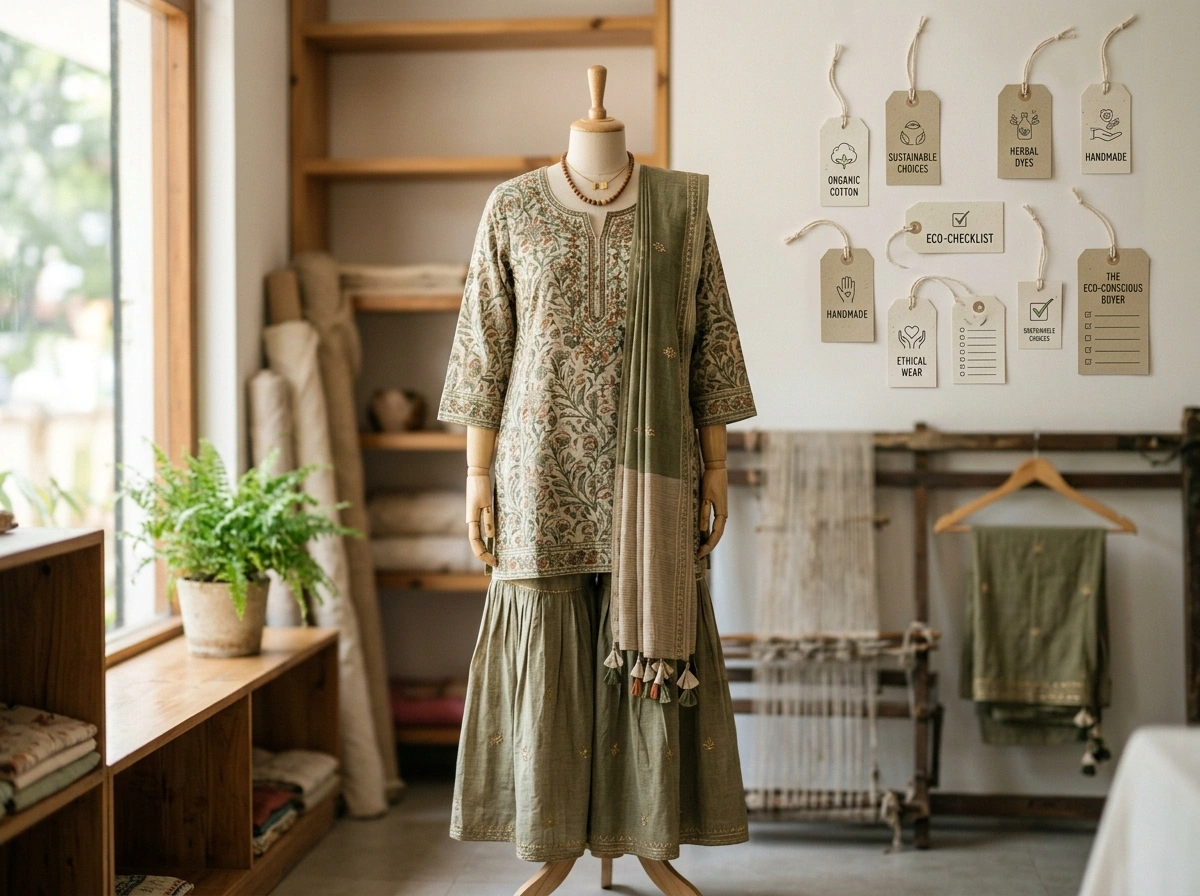

A beautiful sharara turns heads at weddings, festivals, and celebrations across the country. But more shoppers now want more than just style. You want pieces that respect the planet, honor the people who make them, and stay in your closet for years. Buying with a conscience does not mean settling for less beauty. In fact, the most sustainable choices often look and feel far better than fast-fashion knockoffs.
This checklist walks you through everything you need to know before you buy. From fabric to stitching to care, here is how to choose a sharara that truly lasts.
Why Sustainability Matters in Festive Fashion
Festive outfits are often worn only a handful of times, then forgotten. That pattern fuels waste, pollution, and poor labor conditions. Choosing a well-made, ethically produced sharara flips the script. You invest in a garment that earns its keep, season after season.
The good news? Demand for thoughtful, culturally rich fashion is growing fast in the United States. Shoppers from coast to coast want pieces that reflect their heritage and their values. A quality sharara dress can deliver both, if you know what to look for.
Step 1: Start With Sustainable Fabrics
Fabric is the heart of any sharara. It shapes the look, the feel, and the lifespan of the garment. Natural, responsibly sourced materials almost always outlast synthetic blends.
Look for these eco-friendly options:
- Organic cotton – Grown without harmful pesticides, it is breathable, soft, and ideal for warmer climates. Perfect for summer celebrations in places like Texas or Florida.
- Pure silk – A natural, biodegradable fiber that drapes beautifully and ages gracefully. Mulberry and Tussar silk are popular, durable choices.
- Handloom fabrics – Woven on traditional looms, these textiles support artisan communities and consume far less energy than machine production.
- Linen blends – Strong, breathable, and long-lasting, linen handles repeated wear without losing shape.
Fabrics to Approach With Caution
Polyester, nylon, and cheap synthetic blends may cost less, but they pill, fade, and trap heat. They also shed microplastics with every wash. If a price seems too good to be true, the fabric is usually the reason.
Step 2: Check for Ethical Manufacturing
A truly sustainable sharara is made by people who are treated fairly. Behind every garment is a team of weavers, dyers, and tailors. Their working conditions matter.
Before you buy, ask or research:
- Does the brand share where and how its garments are made?
- Are workers paid fair wages?
- Does the company use eco-friendly dyes and low-water processes?
- Are there certifications such as Fair Trade, GOTS, or similar?
Brands that value transparency usually talk openly about their supply chain. Vague answers or zero information are red flags. Tech-forward retailers often share this directly on their websites, making it easier than ever to shop with confidence.
Step 3: Inspect Quality Construction
Durability lives in the details. A well-constructed sharara survives many wears, while a poorly made one falls apart after one event. Train your eye to spot quality.
Run through this quick checklist when shopping in person or reviewing close-up photos online:
- Stitching – Look for tight, even stitches with no loose threads. Double-stitched seams hold up far better over time.
- Lining – A proper lining adds structure, comfort, and longevity. Cheap pieces often skip it.
- Hems and finishes – Clean, secure hems signal careful workmanship.
- Zippers and closures – Test for smooth, sturdy fastenings. Flimsy hooks and zippers break first.
- Embellishments – Beads, sequins, and embroidery should feel firmly attached, not glued or barely tacked on.
- Fabric weight – Heavier, denser fabric usually means better quality and a more flattering drape.
Take your time here. A few extra minutes of inspection can save you from disappointment later.
Step 4: Support Artisan Craftsmanship
Many of the most stunning shararas come from skilled artisans who have refined their craft over generations. Hand-embroidered zardozi, intricate gota patti, and detailed mirror work are not just decorations. They are living traditions.
When you buy handcrafted pieces, you:
- Keep traditional techniques alive
- Support small artisan communities
- Receive a one-of-a-kind garment
- Reduce reliance on mass production
Machine-made copies may mimic these designs, but they rarely match the soul or durability of true handwork. Celebrating this craftsmanship also honors the rich cultural roots that make the sharara so special.
Step 5: Avoid Fast-Fashion Pitfalls
Fast fashion thrives on trends, low prices, and quick turnover. It tempts you with cheap glamour, then leaves you with garments that quickly look tired. Steer clear of these common traps:
- Ultra-low prices – Quality fabric and fair wages cost money. Suspiciously cheap pieces cut corners somewhere.
- Trend-chasing only – A classic silhouette outlasts fleeting fads. Choose timeless over trendy.
- No care information – Reputable sellers tell you exactly how to care for your garment.
- Pressure to buy fast – Constant flash sales push impulse buys you may regret.
Slow down. Choose intentionally. One excellent sharara beats five forgettable ones.
Step 6: Care for Your Sharara the Right Way
Even the finest garment needs proper care to last. Good habits protect your investment and reduce waste.
Follow these longevity tips:
- Read the care label and follow it closely.
- Dry clean delicate fabrics like silk and heavily embroidered pieces.
- Hand wash gently when the label allows, using mild detergent and cold water.
- Store carefully in a breathable garment bag, away from direct sunlight.
- Avoid overwashing – Spot-clean small marks instead of washing the whole outfit.
- Repair, don’t replace – A skilled tailor can fix small tears or loose beads, extending the life of your piece for years.
With the right care, a quality sharara can become a treasured heirloom you pass down or revisit for many special occasions.
Your Quick Eco-Conscious Sharara Checklist
Keep this handy summary in mind before you check out:
- ✅ Made from natural or handloom fabrics
- ✅ Ethically produced with fair labor
- ✅ Strong stitching, lining, and finishes
- ✅ Securely attached embellishments
- ✅ Crafted by skilled artisans
- ✅ Free from fast-fashion shortcuts
- ✅ Easy to care for and repair
If your chosen piece checks most of these boxes, you have found a winner.
Make Your Next Purchase Count
Choosing an eco-conscious sharara is more than a fashion decision. It is a vote for craftsmanship, fairness, and a healthier planet. You get a garment that looks gorgeous, feels wonderful, and stands the test of time.
Ready to shop with intention? Explore beautifully crafted, sustainable options today, and bring home a sharara you will love for years to come. Your style, your values, and your closet all deserve the very best.

