
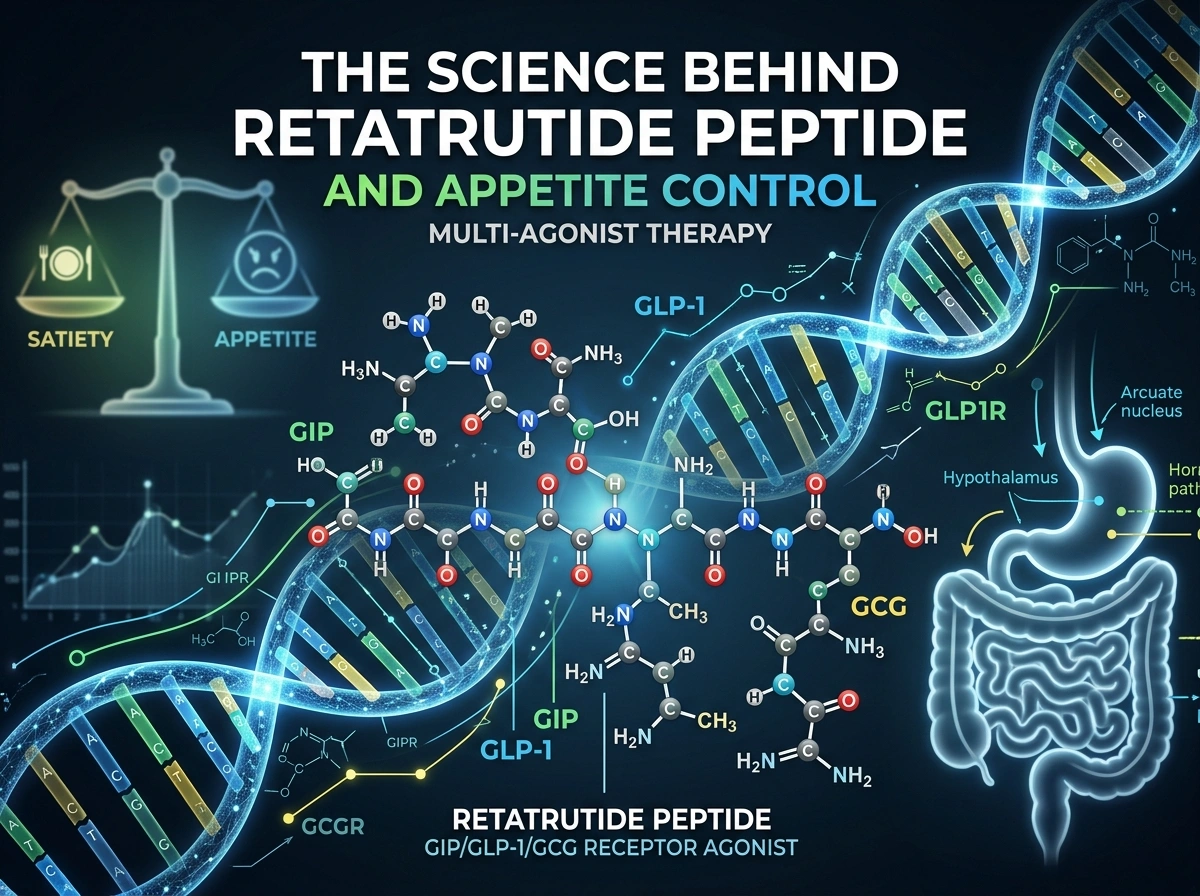

Managing appetite is one of the toughest challenges in weight control. For many people, hunger signals feel stronger than willpower, making lasting weight loss difficult to achieve. Science is now catching up with this struggle, and one compound has captured the attention of researchers worldwide: retatrutide. This experimental peptide may reshape how we think about appetite, metabolism, and obesity treatment.
Let’s explore what retatrutide is, how it works inside the body, and why it has generated so much excitement in clinical research.
What Is Retatrutide?
Retatrutide is an investigational peptide developed for the treatment of obesity and type 2 diabetes. It belongs to a growing class of medications known as incretin-based therapies. These drugs mimic natural gut hormones that help control blood sugar and appetite.
What sets retatrutide apart is its unique design. While many earlier treatments target one or two hormone receptors, the retatrutide peptide acts on three separate pathways at once. This triple action gives it a broader influence over hunger, energy use, and fat metabolism than single-target therapies.
Because it is still under study, retatrutide has not yet received full approval for general use. However, early trial results have been striking, prompting deeper investigation into how it produces such powerful effects.
How Retatrutide Works: The Triple Agonist Mechanism
The most fascinating part of retatrutide is its mechanism of action. It functions as a triple agonist, meaning it activates three different hormone receptors in the body. Each receptor plays a distinct role in metabolism and appetite.
GLP-1 Receptor Activation
The first target is the glucagon-like peptide-1 (GLP-1) receptor. GLP-1 is a hormone released by the gut after eating. It signals the brain that you are full, slows down how quickly the stomach empties, and helps the pancreas release insulin.
By activating this receptor, retatrutide reduces hunger and helps people feel satisfied with smaller portions. This effect is well known from earlier GLP-1 medications, which have already shown success in weight management.
GIP Receptor Activation
The second target is the glucose-dependent insulinotropic polypeptide (GIP) receptor. GIP works alongside GLP-1 to regulate blood sugar and influence how the body stores and uses fat.
When combined with GLP-1 activity, GIP signaling appears to improve insulin sensitivity and may enhance the appetite-suppressing effects. Together, these two pathways create a stronger metabolic response than either could alone.
Glucagon Receptor Activation
The third and most distinctive target is the glucagon receptor. Glucagon is often known for raising blood sugar, but it also plays a key role in energy expenditure. Activating this receptor encourages the body to burn more calories and break down stored fat.
This is the feature that truly separates retatrutide from other treatments. By boosting energy use while reducing food intake, it works on both sides of the energy balance equation at once.
How Retatrutide Influences Appetite and Satiety Hormones
Appetite is not controlled by a single switch. Instead, it depends on a complex conversation between the gut, the brain, and various hormones. Retatrutide steps into this conversation and shifts the balance toward fullness.
When you eat, your body releases hormones that signal satisfaction. Retatrutide amplifies these signals. It strengthens the messages sent to the hypothalamus, the brain region that manages hunger and energy balance. As a result, people often report feeling full sooner and staying satisfied longer.
The peptide also slows gastric emptying. When food stays in the stomach longer, you feel full for an extended period after meals. This natural delay helps reduce snacking and overeating between meals.
On top of that, the glucagon activity raises the body’s baseline energy use. So while you eat less, your body may also burn through fat stores more efficiently. This combined effect makes appetite control feel less like a constant battle and more like a natural shift.
Clinical Research Findings
The excitement around retatrutide is grounded in real clinical data. Early and mid-stage trials have produced some of the most impressive weight loss results seen in obesity research.
In published Phase 2 studies, participants taking higher doses of retatrutide experienced substantial reductions in body weight over the course of the trial. Many lost a significant percentage of their starting weight, with results that often exceeded those of earlier single and dual agonist treatments.
Beyond weight, researchers observed improvements in several markers of metabolic health. These included better blood sugar control, lower blood pressure, and improved cholesterol levels. Participants with type 2 diabetes also showed meaningful drops in their long-term blood sugar measures.
As with most medications in this class, some people experienced side effects. The most common were gastrointestinal issues such as nausea, vomiting, and diarrhea. These effects were usually mild to moderate and tended to ease over time, especially when doses were increased gradually.
It is worth remembering that these results come from controlled studies. Larger and longer trials are still underway to confirm both the safety and the lasting benefits of the treatment.
Potential Role in Obesity and Metabolic Health
Obesity is far more than a cosmetic concern. It is linked to serious conditions including type 2 diabetes, heart disease, fatty liver disease, and certain cancers. Effective treatments can dramatically reduce these risks.
Retatrutide’s triple action makes it a promising candidate for tackling obesity at its roots. By reducing appetite and increasing energy expenditure, it addresses both the intake and the output of calories. This dual approach may help people achieve and maintain results that are difficult through diet and exercise alone.
The metabolic benefits extend beyond weight loss. Improved insulin sensitivity could help prevent or manage type 2 diabetes. Reductions in liver fat may protect against fatty liver disease. Better cardiovascular markers may lower the risk of heart problems over time.
For people who have struggled with traditional approaches, treatments like this offer real hope. They provide a science-based tool that works with the body’s natural systems rather than against them.
Future Prospects
The road ahead for retatrutide is promising but still unfolding. Larger Phase 3 trials are needed to confirm its long-term safety and effectiveness across diverse populations. These studies will help determine the best dosing strategies and identify who might benefit most.
If approval follows, retatrutide could join a new generation of metabolic therapies that change how we treat obesity and related conditions. Researchers are also exploring whether its effects could extend to other health areas, such as liver disease and cardiovascular protection.
As our understanding of appetite hormones deepens, treatments are becoming more precise and powerful. Retatrutide represents a step toward that future, where managing weight and metabolic health becomes more achievable for millions of people.
Conclusion
Appetite control has long been one of the most stubborn obstacles in the fight against obesity. Retatrutide offers a fresh and scientifically grounded approach by working on three hormone pathways at once. Through its triple agonist action, it reduces hunger, increases satiety, and boosts energy expenditure in a way that few treatments can match.
Clinical research has already shown remarkable results, and ongoing studies will reveal even more about its full potential. While it is not yet widely available, retatrutide highlights how far metabolic science has come. For anyone interested in the future of weight management and metabolic health, this peptide is a development well worth watching.

